March 2026
Leading storage and transportation specialist ZARGES is encouraging businesses to review how they store and handle lithium-ion batteries after a fire devastated an historic building in Glasgow.
Emergency services spent hours tackling the blaze on Union Corner earlier this month, which is believed to have spread from a vape shop on neighbouring Union Street. The fire caused significant structural damage to the B-listed Victorian property and triggered significant transport delays at nearby Glasgow Central Station.
Investigators on the scene reported hearing explosions during the inferno, suggesting lithium-ion batteries, which power vapes and e-cigarettes, could be behind the blaze.
Neil Harper, Sales Manager at ZARGES UK, explains: “Lithium-ion batteries are a common power source for thousands of gadgets and appliances used in everyday life, from vapes to power tools. They are an excellent appliance if stored and handled correctly, but can pose a significant fire risk if damaged, faulty, or improperly housed. These batteries contain highly concentrated energy, which can ignite or even explode if exposed to heat, mechanical damage or internal failure.
“The Glasgow blaze is just the latest in a long-line of fires that have been blamed on lithium-ion batteries. Unlike conventional fires, lithium battery fires are also difficult to extinguish once thermal runaway occurs, a chain reaction that causes rapid overheating and combustion, which makes them harder for emergency services to tackle.
“For businesses that handle lithium batteries, such as retailers, logistics companies, manufacturers or vehicle service centres, it is imperative to ensure they have safe storage and transport protocols in place.”
ZARGES, a leading manufacturer of protective aluminium cases and hazardous goods transport solutions, has long provided specialised battery safety boxes designed to safely contain lithium-ion batteries during storage, transport and disposal.
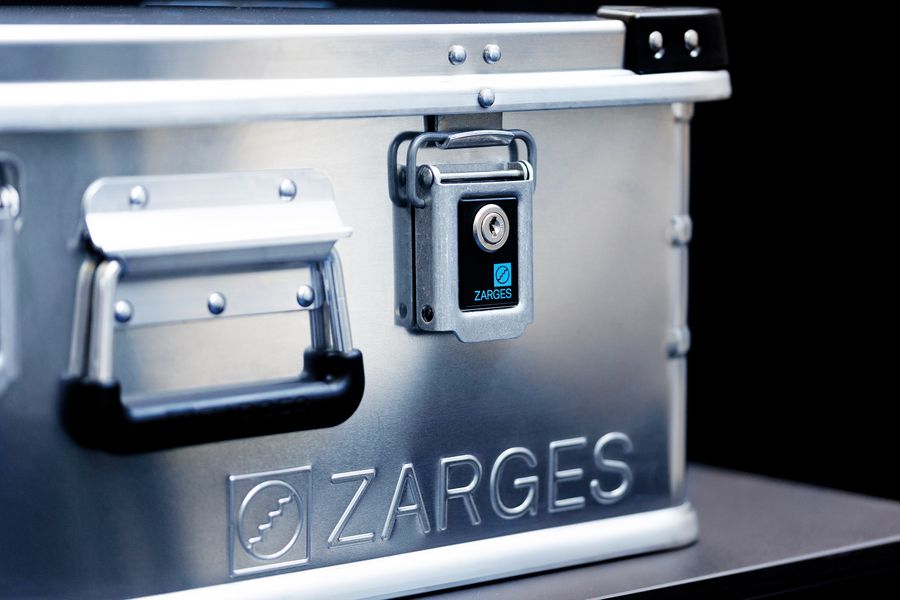
ZARGES’ range of battery safe cases are designed to mitigate the risks associated with faulty or end-of-life lithium-ion batteries. Featuring robust aluminium construction and specialist fire-resistant interior materials, the boxes are designed to contain heat and flames in the event of battery failure, preventing the spread of fire to surrounding environments – a key factor in Glasgow’s devastating incident.
The ZARGES cases are also approved for the transport of hazardous lithium batteries under UN classifications including UN3480 and UN3481, enabling organisations to safely move damaged or defective batteries to recycling or disposal facilities in complete compliance with the very latest industry guidelines.
Neil continues: “As products that use lithium-ion batteries for power become more ad more common, so too, unfortunately, does the risk of incidents such as the Glasgow fire earlier this month. Businesses that store or handle batteries, especially damaged or end-of-life units, should have clear safety protocols and the right containment solutions in place.
“That means looking at the entire battery handling process, from identifying faulty units to ensuring they are stored in dedicated fire-resistant containers away from other materials. Staff should also be trained to recognise warning signs such as swelling, overheating or unusual odours, and businesses should have clear procedures for the safe transport and disposal of batteries that have reached the end of their life. Taking these preventative steps can significantly reduce the likelihood of a minor battery fault escalating into a serious fire incident.”
For more information on the full range of products and solutions offered by ZARGES, please visit: https://www.zarges.com/uk/battery-safety-boxes/